Role: Lead product designer, Interim design manager
Contribution: Product strategy, Information architecture, User experience, Visual design, Design systems, Internal tooling, Cross-team communication
When enterprise markets demand trust that the platform hasn't earned yet, it's designers who create reasons to trust, and thereby, adopt new technology.
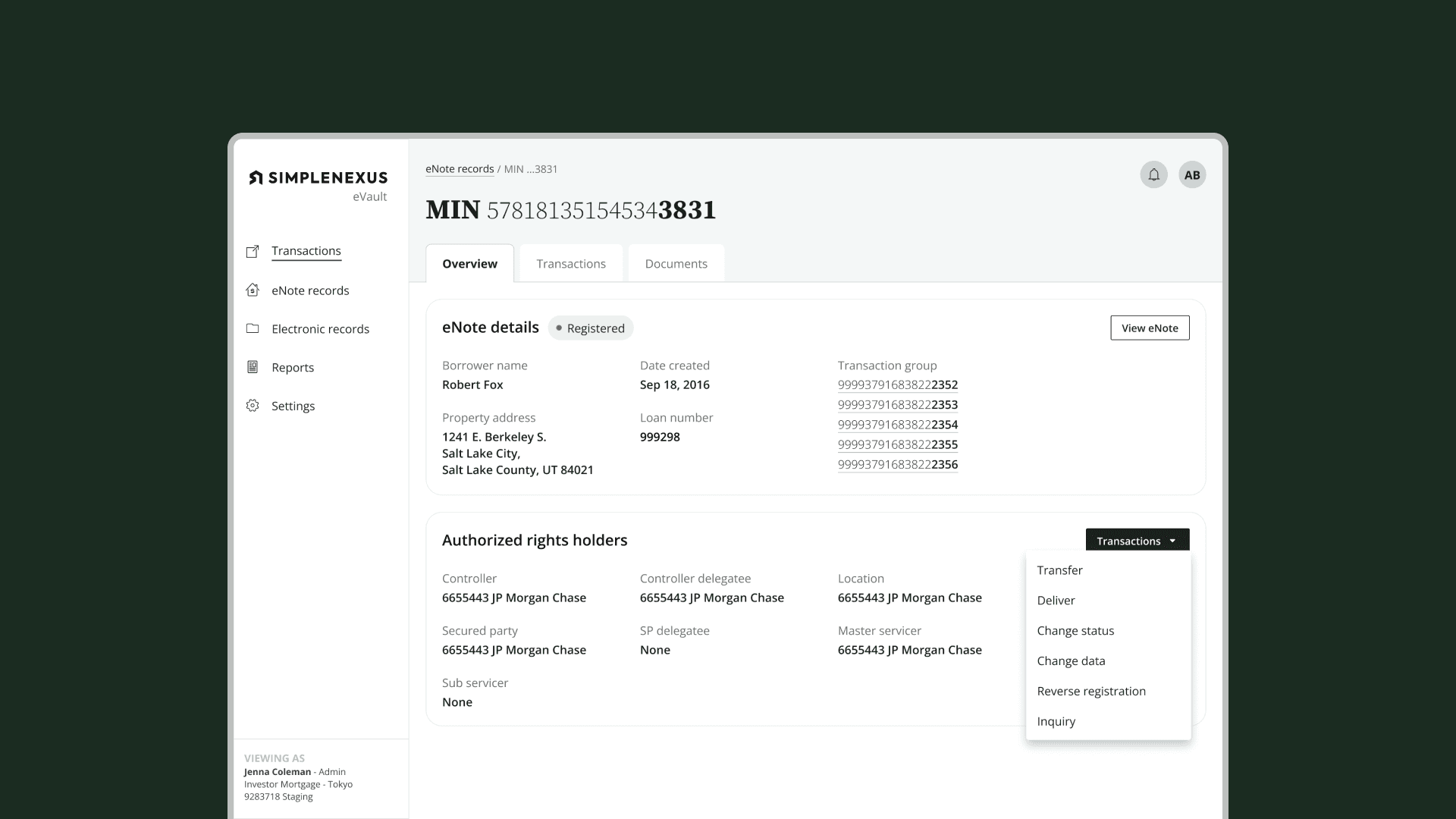
As the lead designer on Investor team, I led eVault redesign for go-to-market, scaling to enterprise-grade volumes and passing regulatory requirements. This platform enabled finance teams to connect and monitor assets with eRegistries and investors. This 18-month project launched a new line of business, resulting in sales contracts, reputation in larger markets, and time and cost savings for staff and end users.
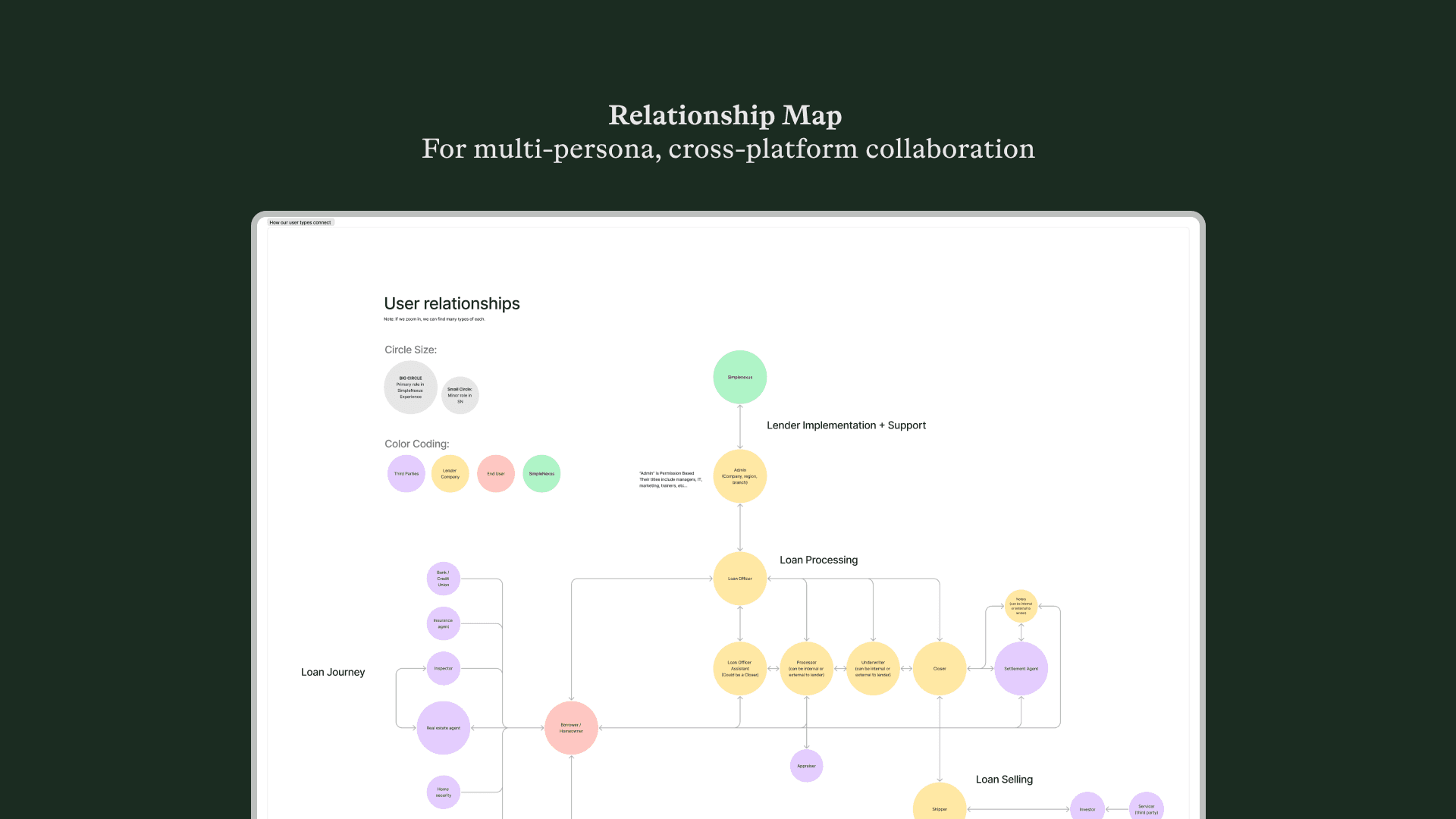
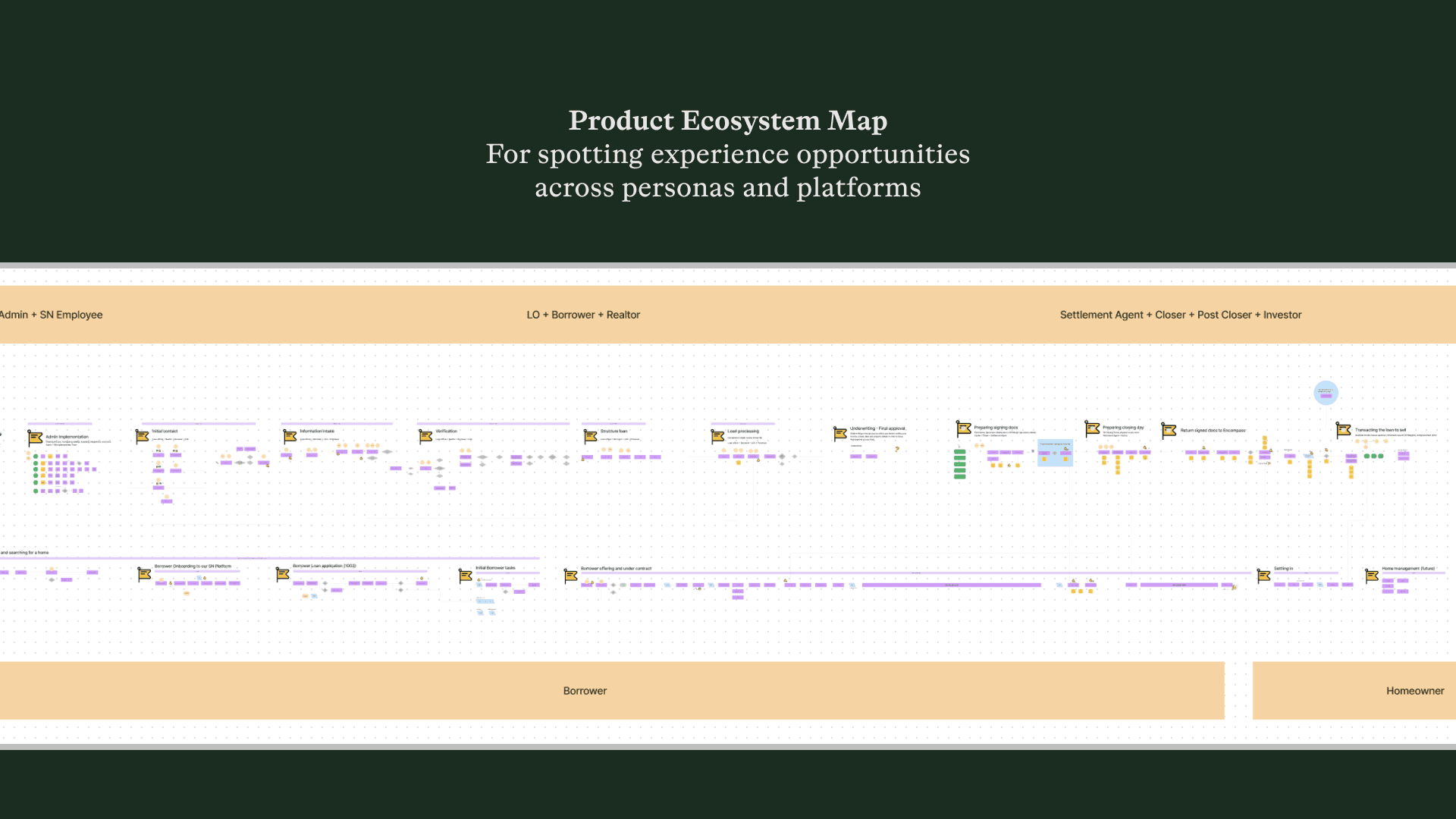
As interim design manager, I led workshops that expanded the design team's knowledge of the full product experience, and gave insights for building eVault's foundations with longevity. This revealed multi-persona opportunities, matured design influence, and simplified cross-team collaboration.
Challenges: Interoperability, design system advocacy, volume of work, knowledge gathering of complex systems, expanded scope due to market changes.
Key decisions: I emphasized intuitive, service design as the differentiator amongst competition and trust-builder, holistic decisions using deep knowledge of ecosystem, and establishing feedback loops for quick, data-driven iteration.
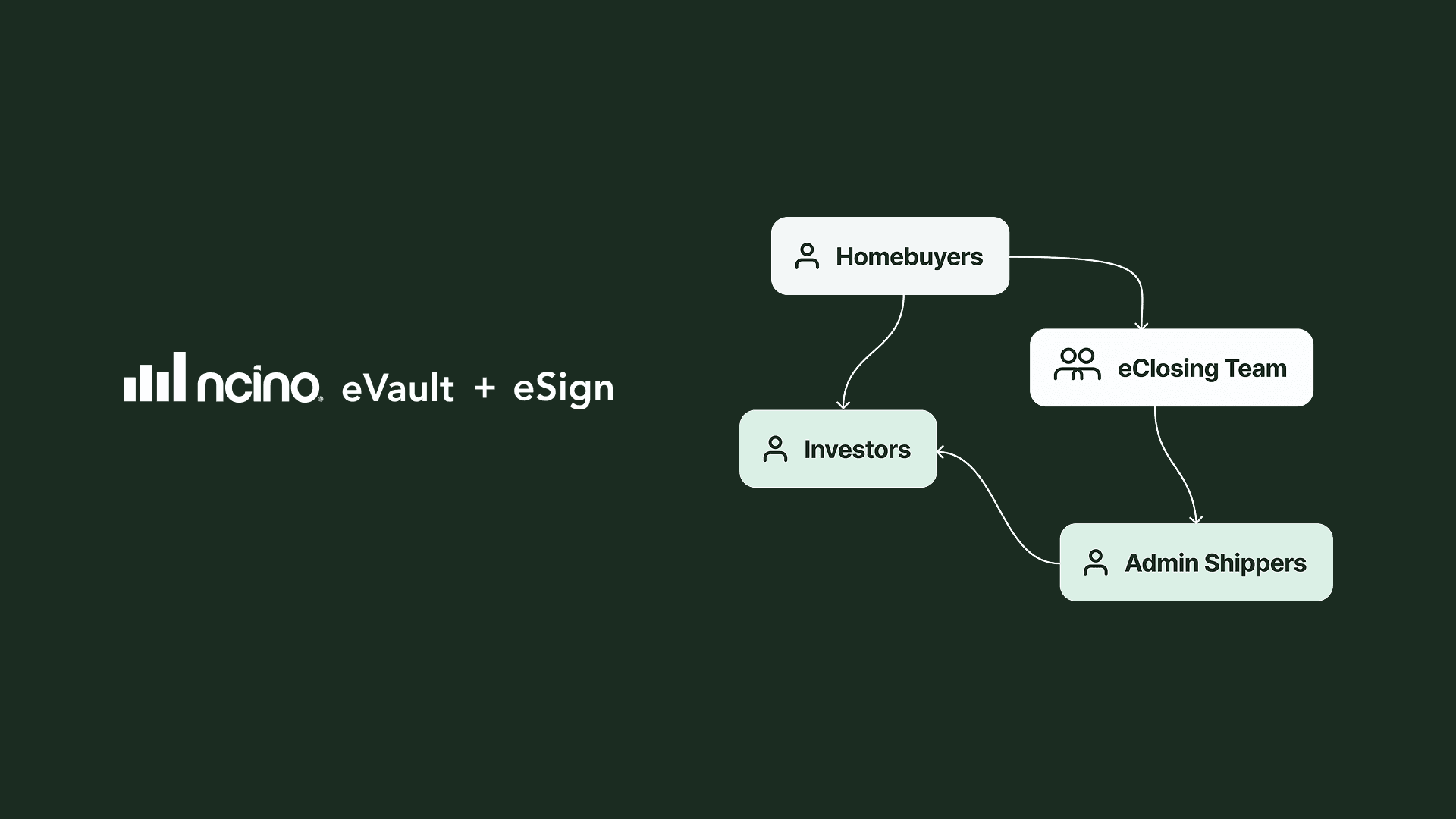
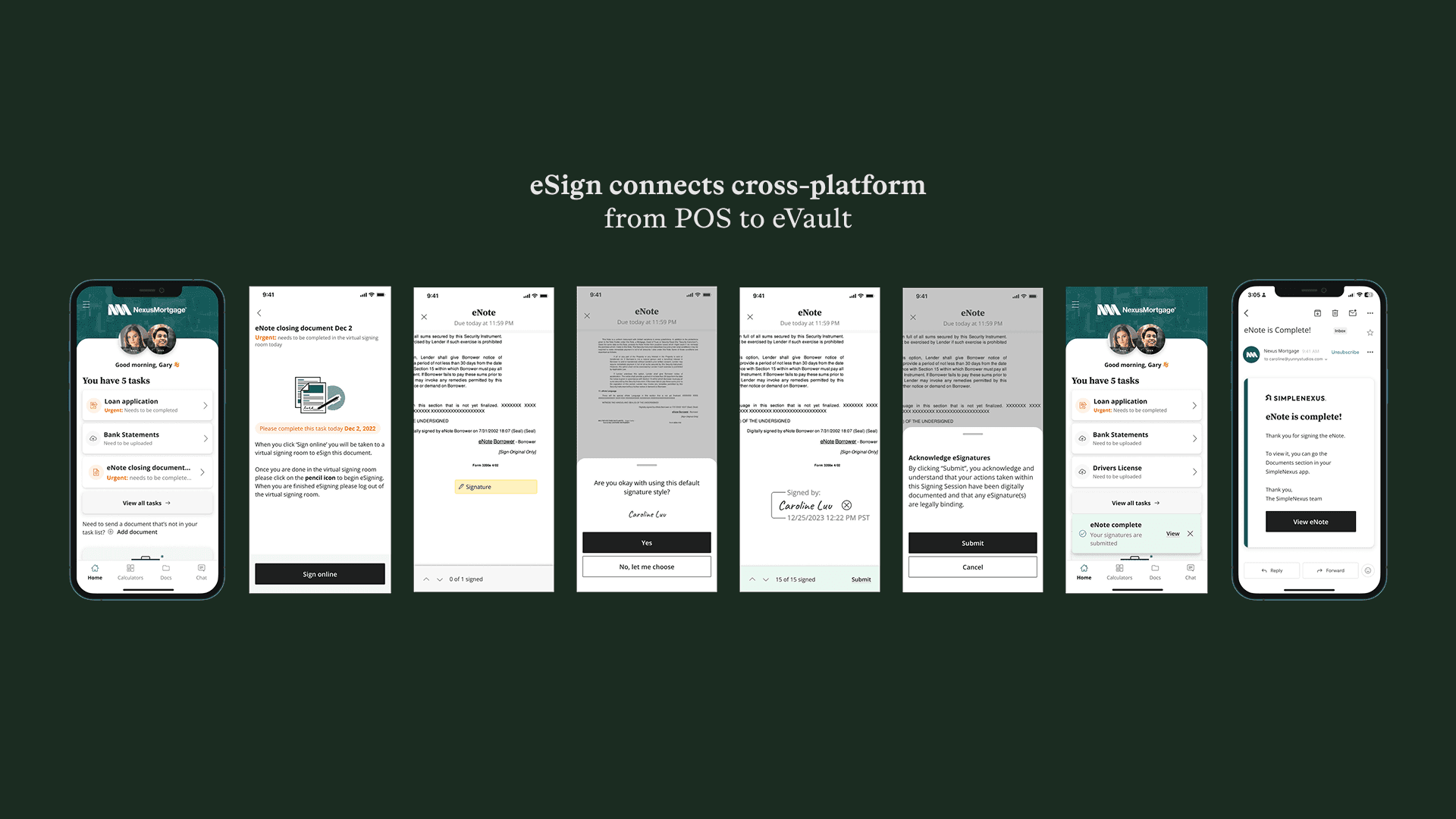
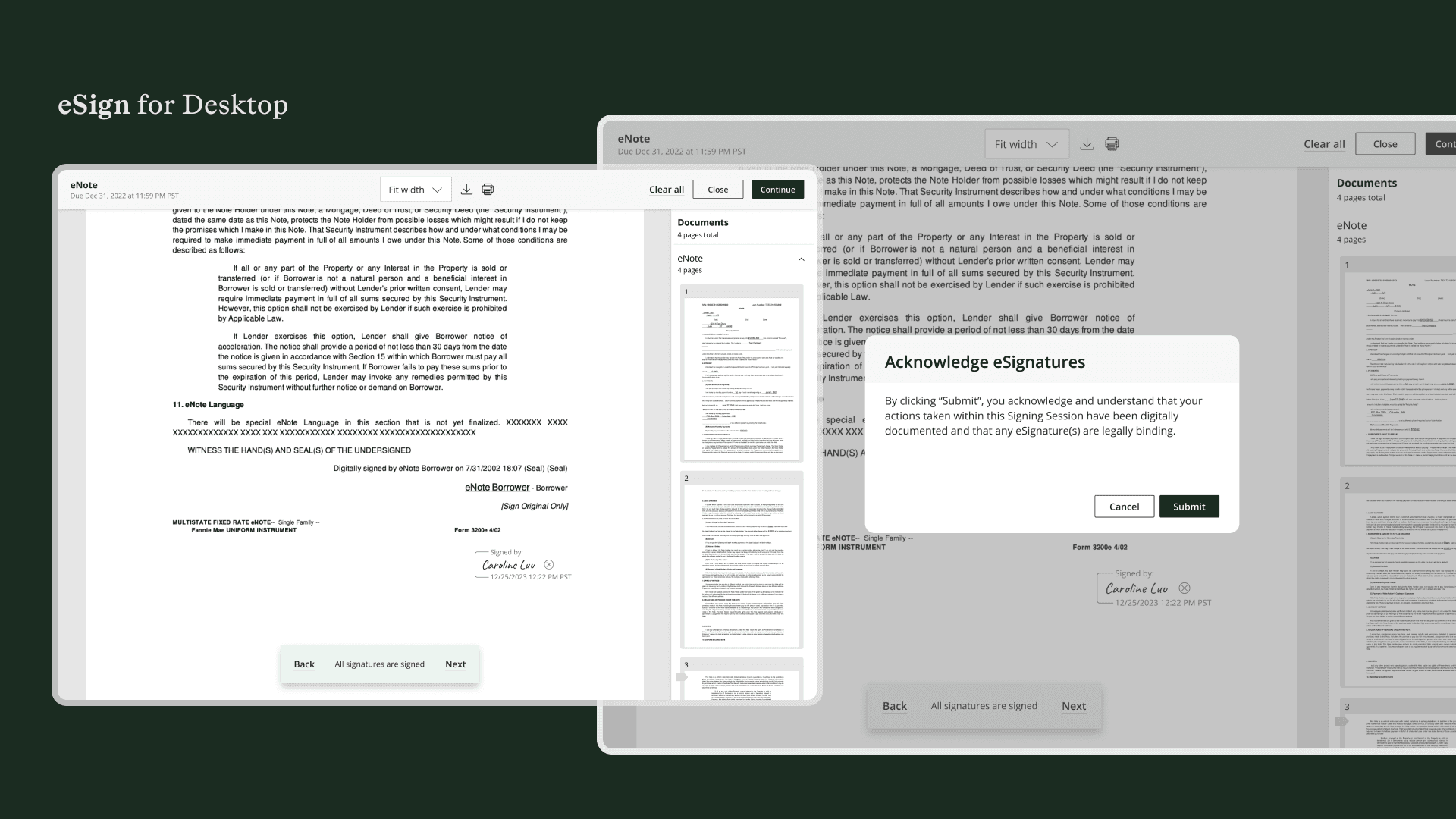
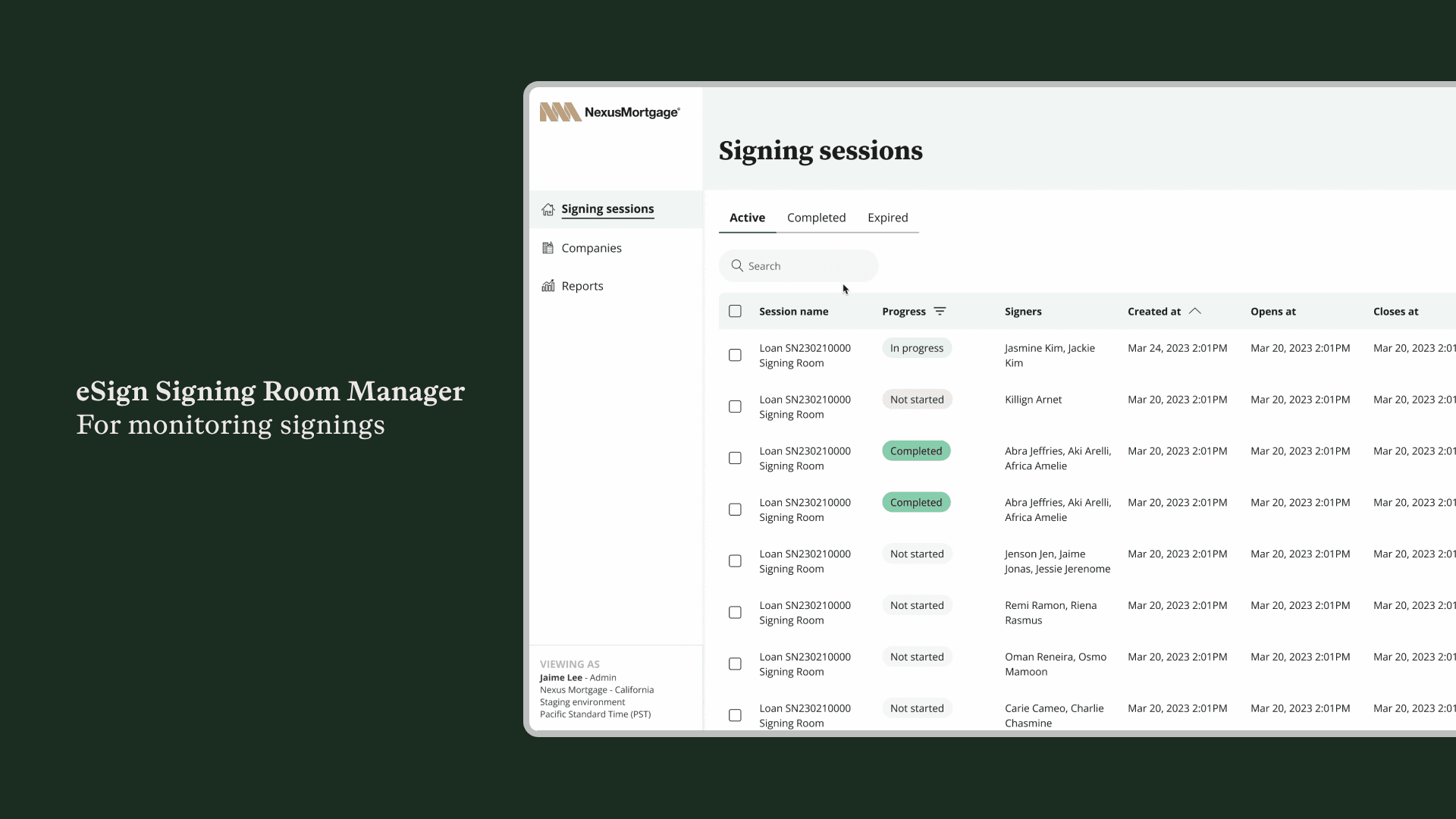
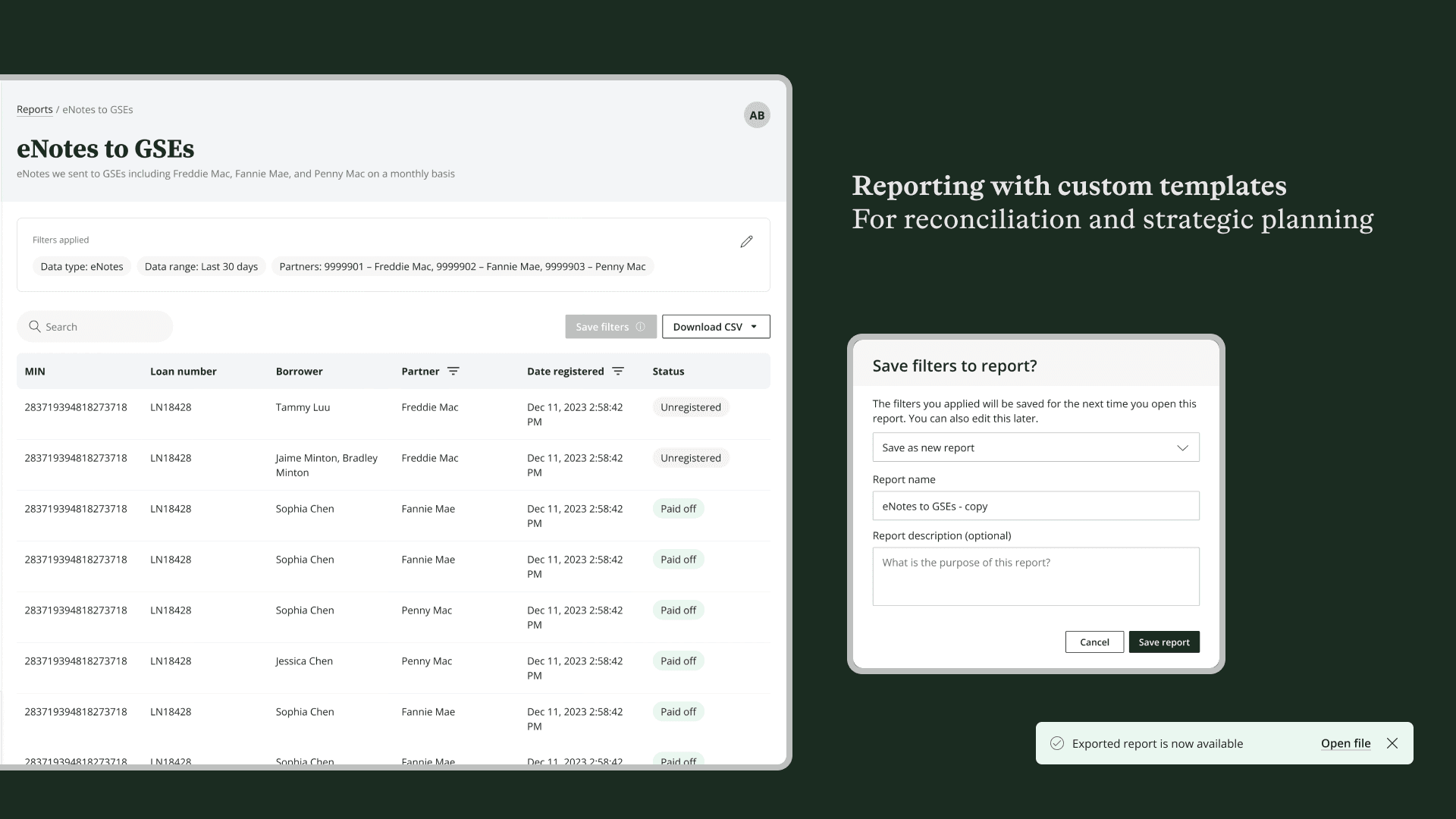
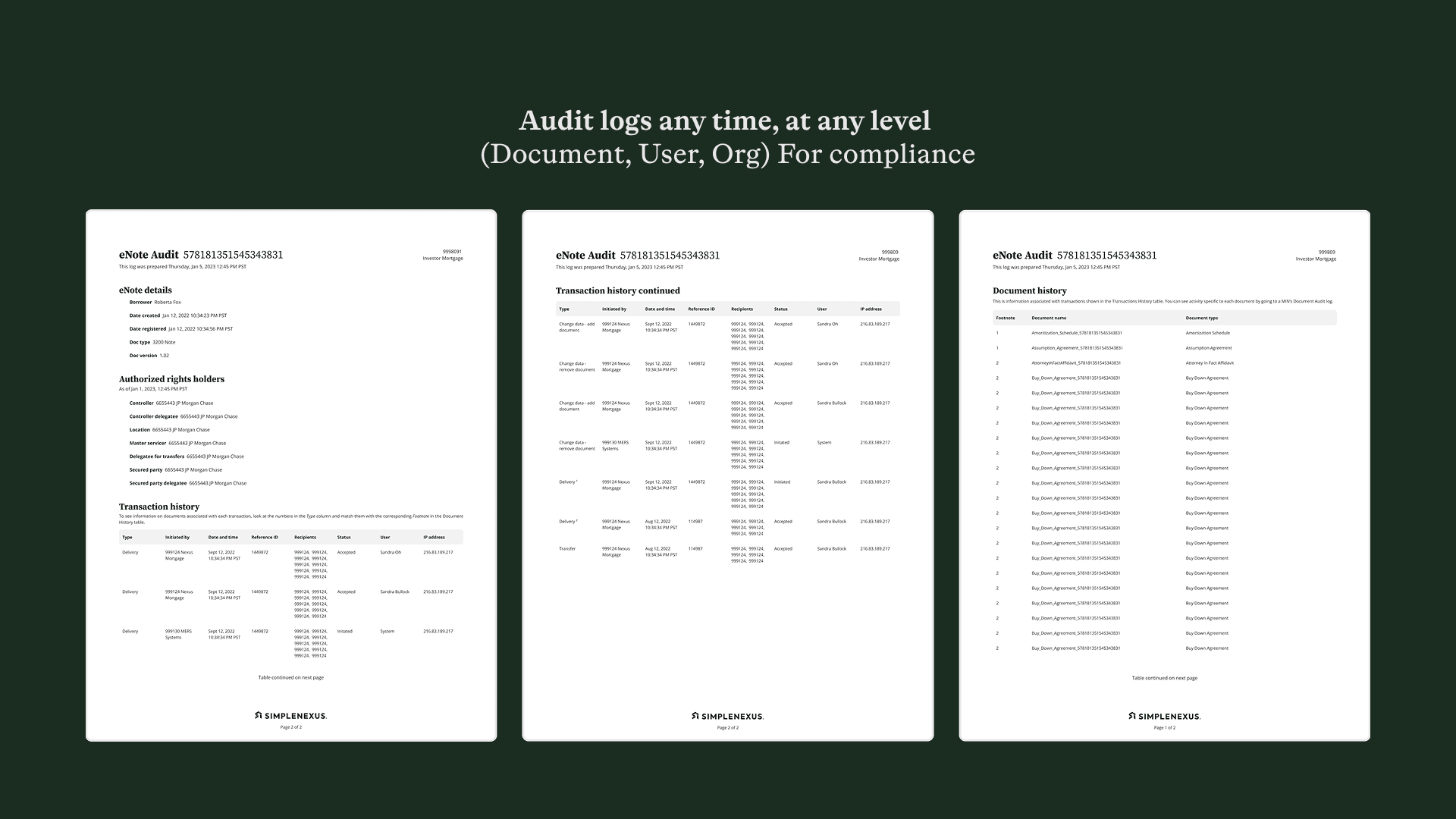
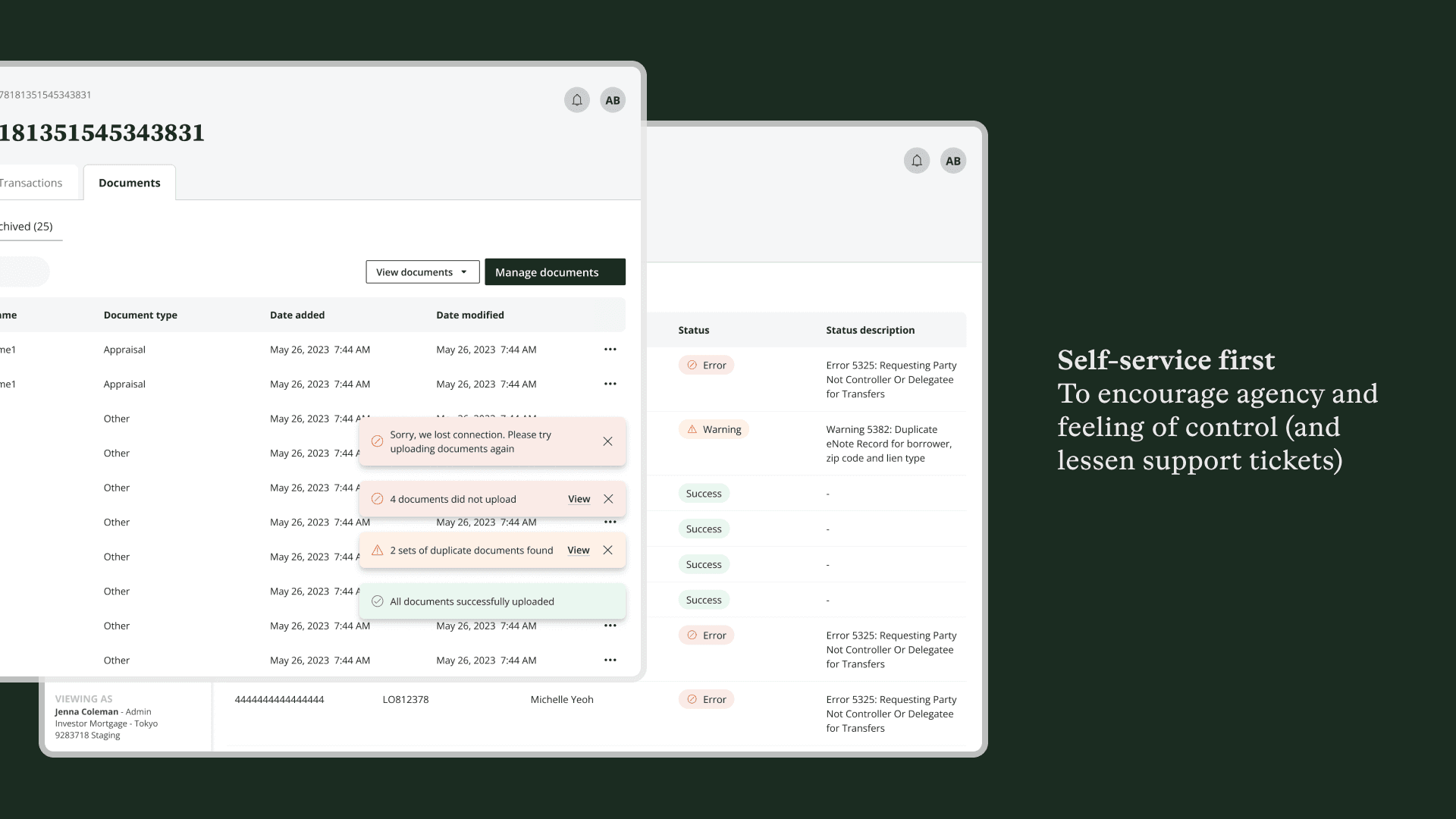
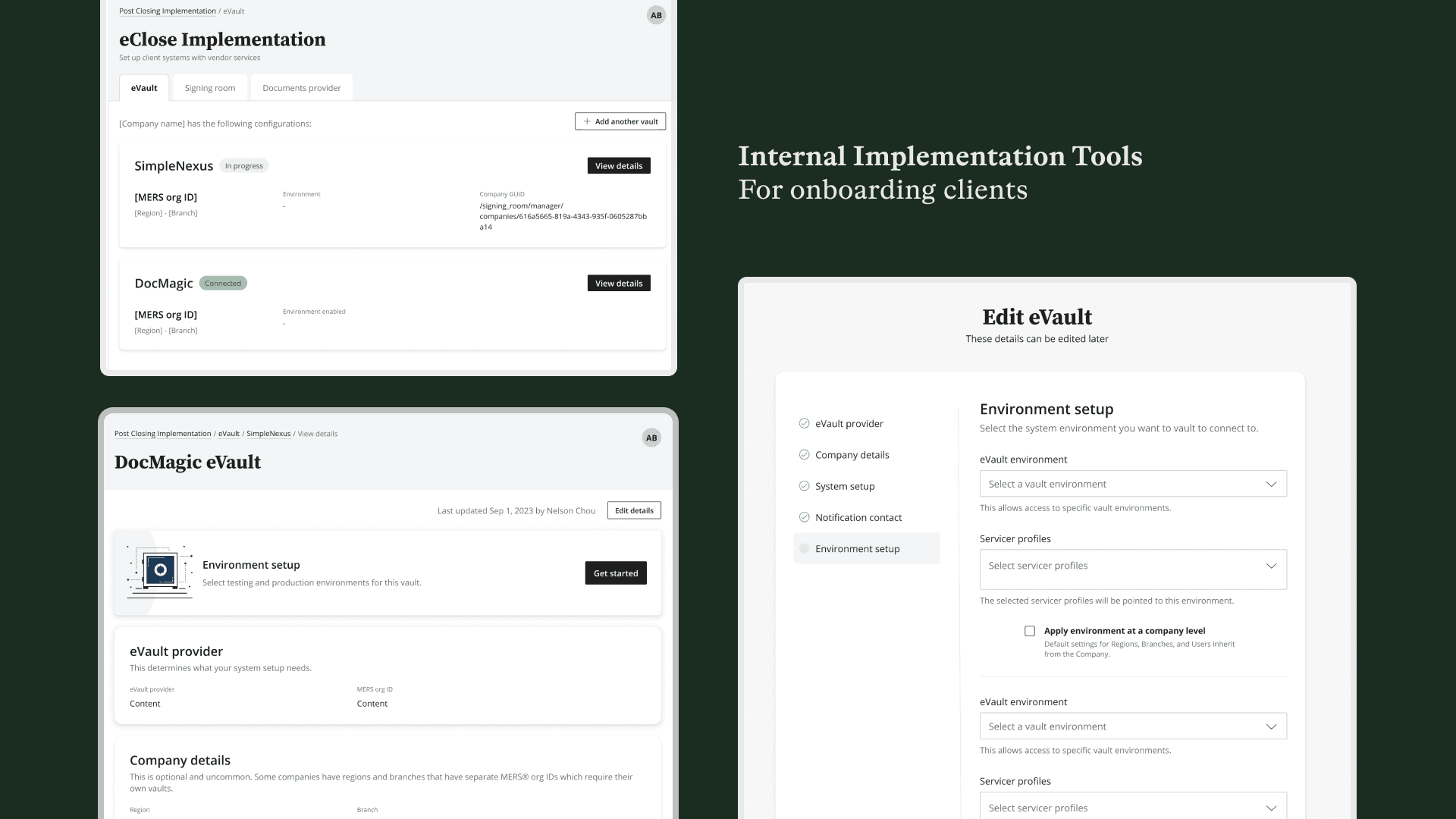
I designed the eVault platform to (1) operate at enterprise volumes (100s of transactions per session) across org types, (2) have a native eSign that connects across the ecosystem, (3) provide audits any time, at any level, (4) pull custom reports and create templates, (5) adapt views to environments: staging, production, org ID, roles and permissions, (6) have internal tooling to onboard clients, (7) pass industry approvals, and (8) embody self-service: a transparent approach to error handling and user agency.
Reflection: Designing while the business is being sold is a recipe for shifting priorities. This chaotic path must pair with deep trust between builders. That way, discussions are focused on how can we build better, not if the other is right or wrong. Hot teams come from leveraging each other's strengths and protecting team connection to confront ambitious missions. Iron sharpens iron.